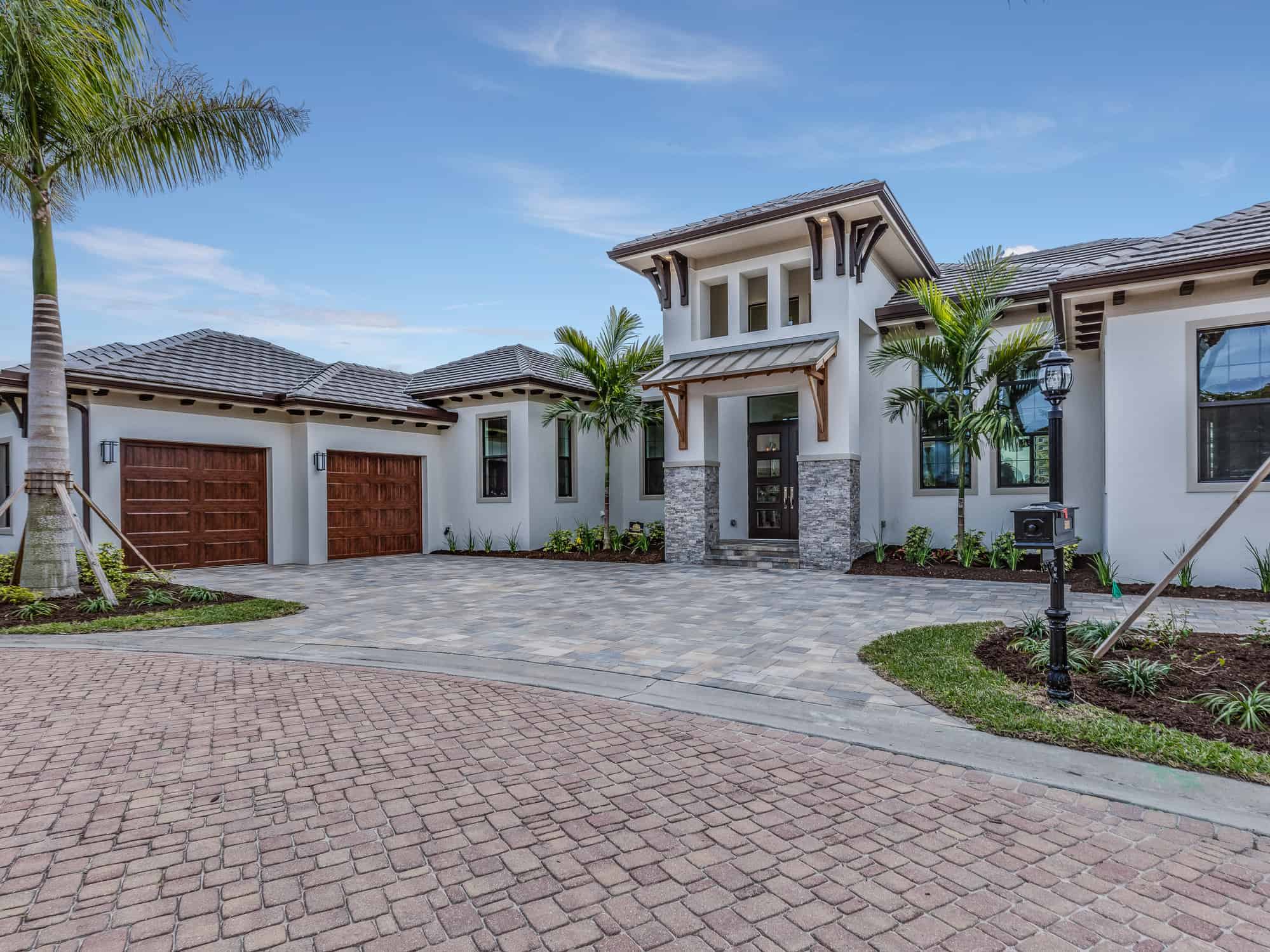
When you’re searching for exterior house painters, you’re probably also wondering about the best way to paint a house exterior. Should the paint be sprayed, brushed, rolled, or a combination of all three? The answer depends on your home’s materials, the condition of the existing paint, and the quality of finish you want.
Choosing the right application method affects more than just appearance. It influences durability, paint coverage, labor time, and long-term maintenance. While some homeowners assume spraying is always the superior choice, professional painters know that every project is different. In many cases, the best results come from combining multiple techniques.
Key Takeaways:
Why the Painting Method Matters
Many homeowners focus on paint color but overlook how the paint is applied. The application method influences:
Professional painters evaluate your home’s exterior before deciding which technique will produce the longest-lasting finish.
Spray Painting: Fast and Efficient
Spray painting uses specialized equipment to atomize paint into a fine mist, creating smooth and consistent coverage.
Advantages of Spray Painting
- Faster application. Spraying large surfaces is significantly faster than brushing or rolling, making it ideal for homes with extensive siding.
- Smooth finish. Sprayers eliminate many brush strokes and roller textures, creating a clean, uniform appearance.
- Excellent coverage. Paint reaches narrow gaps, trim details, and textured surfaces more easily than traditional methods.
Potential Drawbacks
Although spraying offers many advantages, it isn’t perfect.
Potential concerns include:
Professional painters spend considerable time masking and protecting surrounding areas before spraying begins.
Brush and Roll Painting: Precision and Durability
Brushes and rollers have remained industry standards for decades for good reason.
Benefits of Brushing and Rolling
- Better penetration. Brushing and rolling physically work paint into porous materials, helping improve adhesion.
- Greater control. Painters can carefully coat trim, corners, doors, and intricate architectural details.
- Reduced overspray. These methods minimize the risk of paint drifting onto unwanted surfaces.
- Ideal for smaller projects. Touch-ups and repairs are often easier with brushes and rollers.
The Best Solution Often Combines Both Methods
Many homeowners think they must choose one method over the other. In reality, experienced painting contractors often combine techniques.
A common process includes:
This hybrid approach provides the speed of spraying with the durability of brushing and rolling.

Which Exterior Surfaces Work Best With Each Method?
Wood Siding
Wood benefits greatly from brushing because the paint works into the grain, allowing for better adhesion and a more durable finish. This method helps ensure that the paint penetrates small cracks and imperfections in the wood surface. Spraying followed by back-brushing is often recommended, as it combines the efficiency of spraying with the thorough coverage and bonding strength achieved through brushing.
Fiber Cement
Fiber cement siding is well-suited for spray application because its smooth, uniform surface allows paint to be applied quickly and evenly. However, to ensure the paint properly bonds to the material and reaches any subtle surface textures, professionals often follow up with back-rolling. This technique helps press the paint into the surface, improving adhesion and contributing to a more durable, long-lasting finish.
Stucco
Sprayers easily reach textured surfaces that brushes may struggle to cover consistently, allowing paint to penetrate into small crevices and uneven areas for a more uniform finish. This makes them especially effective for materials like stucco or rough wood, where achieving even coverage with traditional tools can be time-consuming and inconsistent.
Brick
Brick absorbs paint differently than smooth siding because of its porous and uneven surface, which can cause paint to soak in and appear inconsistent if not applied properly. Spraying typically offers better coverage by reaching into the small crevices and textures of the brick, creating a more uniform finish. However, thorough preparation—such as cleaning, repairing cracks, and applying the right primer—remains essential to ensure the paint adheres well and lasts over time.
Trim and Doors
Brushes remain the preferred tool for detailed trim work where precision matters, as they allow painters to carefully control paint placement around edges, corners, and intricate features. This level of control helps prevent drips and uneven lines, ensuring a clean, professional finish on areas like window frames, doors, and decorative molding.
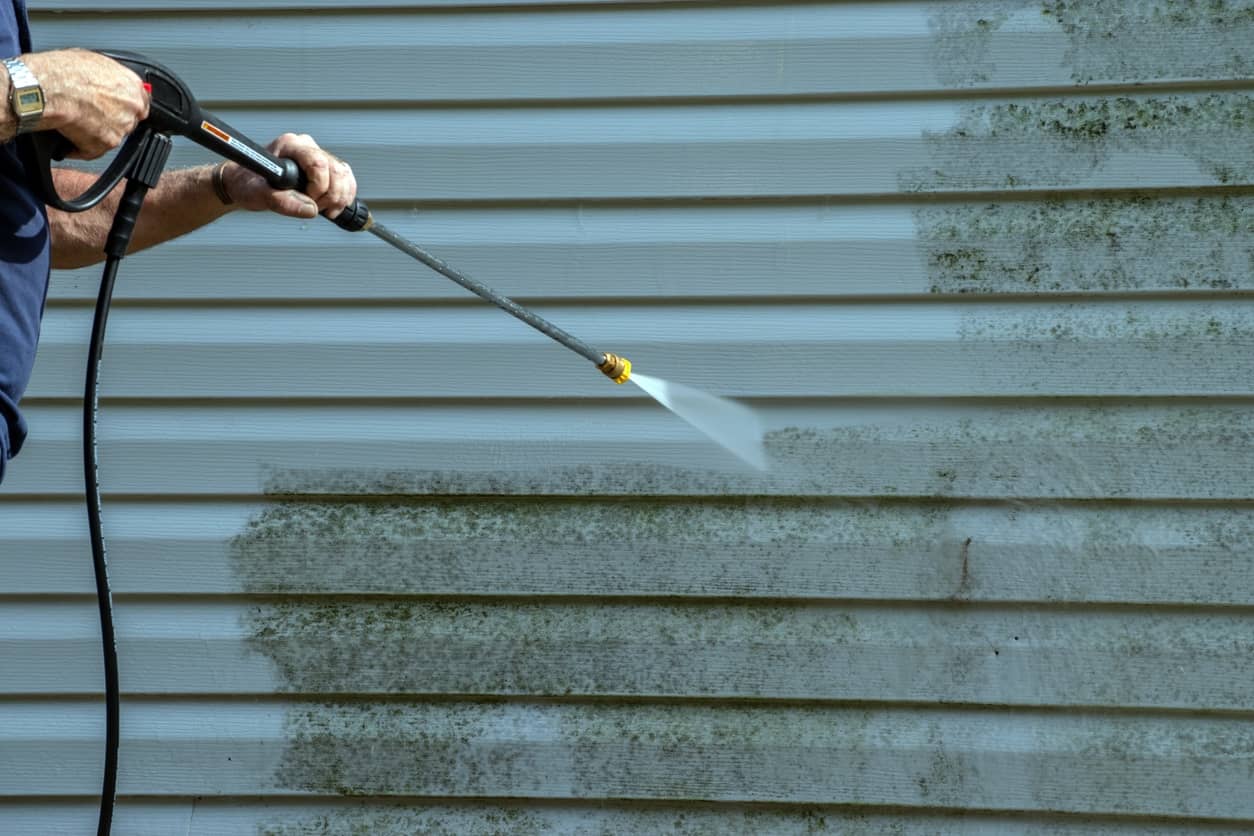
Surface Preparation Is More Important Than the Method
One of the biggest misconceptions is that spraying automatically creates a better paint job.
In reality, long-lasting exterior paint depends primarily on proper preparation.
Professional preparation often includes:
Without these steps, even the highest-quality paint may fail prematurely, leading to peeling, cracking, or fading much sooner than expected. Proper preparation ensures that the paint adheres correctly and provides long-lasting protection against the elements.
Weather Also Plays a Role
Exterior painting conditions matter just as much as equipment, as factors like temperature, humidity, and wind can significantly impact how well the paint adheres and cures.
Professional painters monitor:
Spraying during windy conditions increases overspray risks, while excessive humidity can slow paint curing.
Is Spray Painting More Expensive?
Not necessarily.
Although spray equipment is more expensive, spraying often reduces labor time on large homes.
Overall project pricing depends on:
A professional estimate considers the entire project rather than simply the painting method.

Common Questions Homeowners Ask
Does sprayed paint last as long?
Yes—when applied correctly and combined with proper preparation. Many professionals improve durability by back-brushing or back-rolling sprayed paint.
Will spraying damage my landscaping?
Experienced painters carefully cover plants, walkways, roofs, windows, and nearby surfaces before spraying begins.
Can every home be sprayed?
Not always. Homes close to neighboring properties, busy streets, or areas with frequent wind may require different application techniques.
Which method looks better?
Both methods can produce beautiful results when performed by skilled painters. The right technique depends on your home’s materials and condition.
What Homeowners in Dunthorpe, WA Should Know
Homes throughout Dunthorpe, WA experience changing weather conditions that can affect exterior paint performance. Moisture, seasonal temperature shifts, and sun exposure all influence how paint adheres and ages. Choosing the right application method—and preparing the surface properly—helps maximize the life of your exterior paint and keep your home looking its best.
So, What Is the Best Way to Paint a House Exterior?
There isn’t a single answer that fits every home.
The best way to paint a house exterior depends on:
In many situations, professional painters achieve the best results by combining spraying with brushing or rolling to maximize both efficiency and durability.
Final Thoughts
Whether your home needs a complete exterior makeover or a fresh coat to boost curb appeal, choosing the right painting method makes a significant difference. An experienced painting contractor can evaluate your home’s unique needs and recommend the approach that delivers the longest-lasting, highest-quality finish.
If you’re ready to protect and enhance your home’s exterior in Dunthorpe, WA, contact PaintPaul Painting today. Our experienced team will inspect your home, explain the best painting approach for your specific surfaces, and provide a detailed estimate.
Call 360-502-2381 to schedule your consultation and discover why homeowners trust PaintPaul Painting for beautiful, long-lasting exterior painting results.