That fresh paint smell? It’s not a sign of quality—it’s a warning sign. When you’re planning an interior house painting project, the last thing you want is to put your family’s health at risk. Yet every year, millions of homeowners unknowingly fill their homes with chemicals that can cause headaches, respiratory issues, and long-term health problems. The question on most people’s minds is simple: is paint with VOCs safe? The answer isn’t as straightforward as paint manufacturers might want you to believe.
Volatile organic compounds (VOCs) are chemicals that evaporate at room temperature. They’re in countless household products, but paint is one of the biggest offenders. And while the paint industry has made progress in reducing these chemicals, the “safe” levels they promote deserve a closer look.
Key Takeaways:
- VOCs in paint can cause both short-term symptoms (headaches, dizziness, nausea) and potential long-term health effects with repeated exposure.
- Children, pregnant women, elderly individuals, and those with respiratory conditions face higher risks from VOC exposure.
- Low-VOC and zero-VOC paints are now widely available and perform just as well as traditional paints.
- Proper ventilation during and after painting significantly reduces VOC exposure.
- VOCs continue off-gassing for weeks or even months after paint appears dry.
- Third-party certifications like GREENGUARD provide more reliable safety standards than manufacturer claims.
What Are VOCs and Why Are They in Paint?
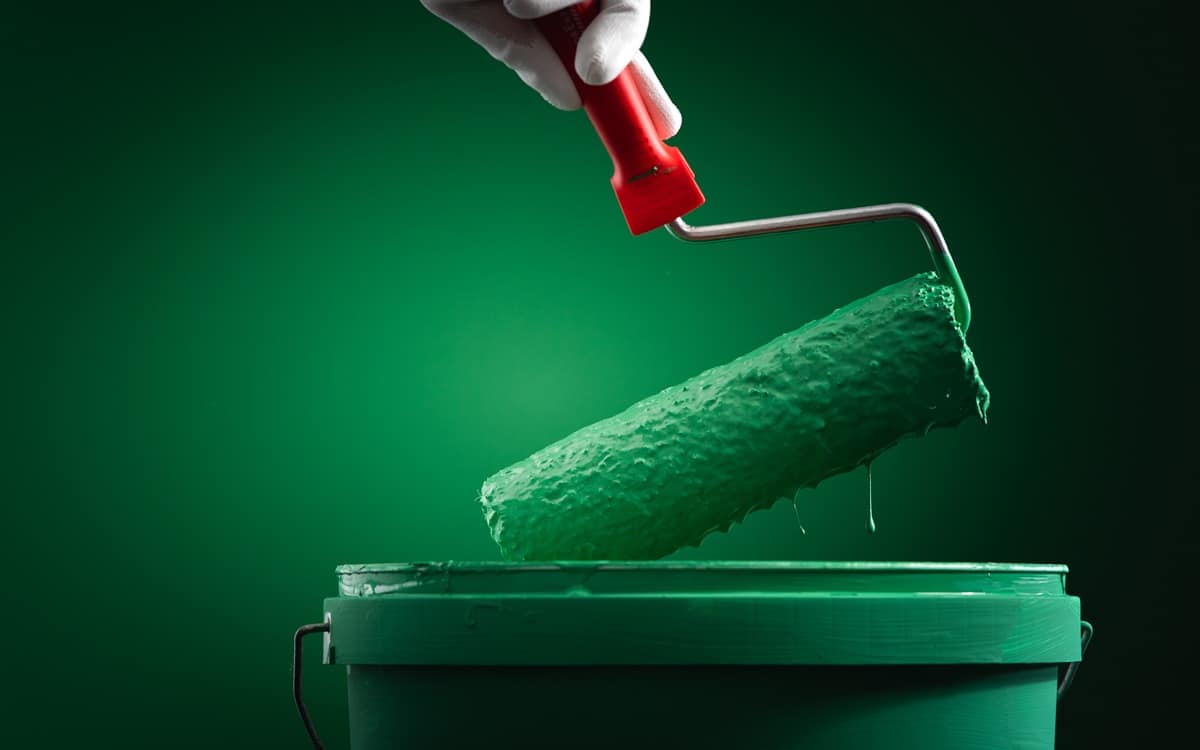
VOCs serve a purpose in traditional paint formulations. They help paint flow smoothly, dry evenly, and create that durable finish we all want. Common VOCs in paint include formaldehyde, benzene, toluene, and ethylene glycol. These chemicals evaporate as paint dries—a process called off-gassing—and that’s when they enter your home’s air.
Here’s what most people don’t realize: that off-gassing doesn’t stop when the paint feels dry to the touch. According to the EPA’s Total Exposure Assessment Methodology (TEAM) studies, indoor air typically contains VOC levels two to five times higher than outdoor air.
During and immediately after painting, those levels can spike to 1,000 times higher than outdoor concentrations. And while most VOC emissions occur within the first few days, multiple industry sources and EPA research indicate that off-gassing can continue for months depending on paint type, ventilation, and environmental conditions.
The Real Health Risks of VOC Exposure
Let’s talk about what VOCs actually do to your body. The health effects fall into two categories: immediate symptoms and long-term concerns.
Short-Term Effects
Within hours of exposure to high VOC levels, you might experience:
- Headaches and migraines
- Dizziness or lightheadedness
- Nausea
- Eye, nose, and throat irritation
- Difficulty breathing
- Fatigue
- Skin reactions
These symptoms usually fade once you’re away from the source. But here’s the problem—many homeowners push through these symptoms, thinking they’re just “part of painting.” They’re not. They’re your body telling you something is wrong.
Long-Term Concerns
Repeated or prolonged exposure to certain VOCs raises more serious concerns. Some VOCs found in paints have been classified as known or suspected carcinogens. Formaldehyde, for example, is classified by the International Agency for Research on Cancer as a Group 1 carcinogen—meaning there’s sufficient evidence it causes cancer in humans.
Long-term VOC exposure has also been linked to:
- Liver and kidney damage
- Central nervous system damage
- Increased asthma symptoms
- Developmental issues in children
Who Faces the Highest Risk From Paint VOCs?
Not everyone reacts to VOCs the same way. Certain groups face elevated risks and should take extra precautions.
- Children: Their developing bodies process chemicals differently than adults. Pound for pound, children breathe more air relative to their body weight, meaning they inhale more VOCs. Their organs and immune systems are still developing, making them more vulnerable to toxic effects.
- Pregnant Women: Some VOCs can cross the placental barrier. Studies have linked high VOC exposure during pregnancy to developmental delays and low birth weight. If you’re expecting, staying away from freshly painted rooms isn’t overcautious—it’s smart.
- People with Respiratory Conditions: Asthma, COPD, and other respiratory issues can be aggravated by VOC exposure. Even low levels that wouldn’t bother a healthy adult can trigger attacks or worsen symptoms in sensitive individuals.
- The Elderly: Older adults often have less efficient detoxification systems and may be more susceptible to the effects of chemical exposure.
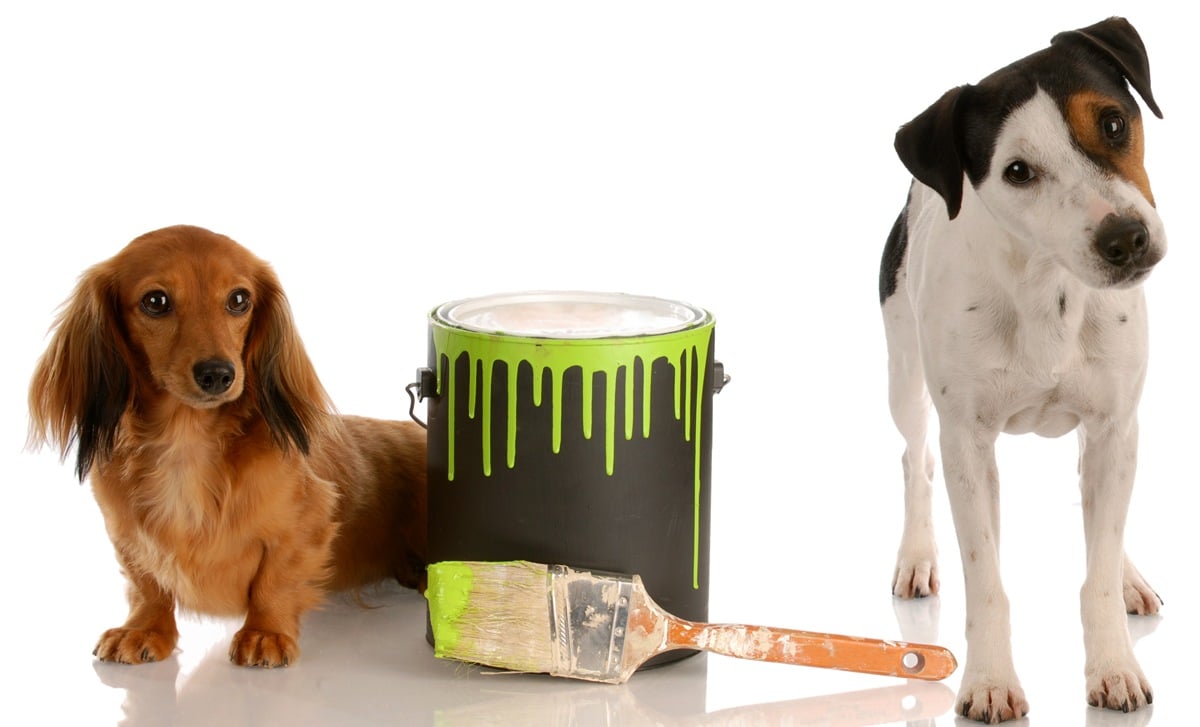
- Pets: Don’t forget about your four-legged family members. Birds are especially sensitive to airborne toxins, but dogs and cats can also be affected by VOC exposure.
Is Paint With VOCs Safe? Understanding the Numbers
Here’s where things get complicated. The paint industry uses VOC content measured in grams per liter (g/L) to classify products. The EPA sets limits, and paints meeting those limits get labeled as “compliant.” But compliant doesn’t mean harmless.
Current VOC limits vary by paint type:
- Flat interior paint: 50 g/L
- Non-flat interior paint: 150 g/L
- Primers and undercoaters: 200 g/L
Traditional paints often contained 300-400 g/L or more. So yes, today’s paints are better. But “better” and “safe” aren’t the same thing.
Low-VOC paints typically contain less than 50 g/L. Zero-VOC paints contain less than 5 g/L (true zero doesn’t exist once colorants are added). These options have improved dramatically in recent years. The old complaints about poor coverage, limited colors, and weak durability no longer apply to quality low-VOC products.
The Off-Gassing Timeline: How Long Do VOCs Last?
Many homeowners assume that once paint dries, the VOC problem is over. This is one of the most dangerous misconceptions about interior painting.
Paint typically dries to the touch within a few hours. But drying and curing are different processes. Full curing can take two to four weeks, and VOC off-gassing continues throughout this period—and often beyond.
Research from the California Air Resources Board found that some paints continue releasing VOCs for six months or longer. The rate of release decreases over time, but it doesn’t stop. This means your home’s air quality can remain compromised long after the paint job is finished.
Temperature and humidity affect off-gassing rates. Warmer temperatures and higher humidity accelerate VOC release. This is why summer painting projects can produce stronger odors and potentially higher exposure levels.
How to Reduce VOC Exposure During Your Painting Project
Whether you’re hiring professionals or tackling the project yourself, these steps minimize your family’s VOC exposure:
Choose the Right Paint
Look for low-VOC or zero-VOC options from reputable manufacturers. But don’t stop at the label. Check for third-party certifications like GREENGUARD, which tests actual emissions rather than just formulation. Avoid marketing terms like “eco-friendly” or “natural” without certification to back them up.
Ventilation Is Non-Negotiable
Open windows and use fans to create cross-ventilation. Keep the room ventilated not just during painting, but for at least three days afterward—longer if possible. If weather doesn’t permit open windows, consider using an air purifier with activated carbon filters designed to capture VOCs.
Time Your Project Strategically
Plan painting for times when family members can stay elsewhere. If that’s not possible, at minimum keep children, pregnant women, and sensitive individuals away from freshly painted areas for several days. Mild weather allows for better ventilation than extreme heat or cold.
Store and Dispose of Paint Properly
Even sealed paint cans can release VOCs. Store leftover paint in a garage or shed—not in living spaces. Dispose of old paint through your local hazardous waste program rather than letting it sit around indefinitely.
What Professional Painters Should Offer
If you’re hiring a painting contractor, you have every right to ask about their paint choices and safety practices. A reputable company should:
- Offer low-VOC or zero-VOC paint options
- Explain the differences between product lines
- Use proper ventilation during the project
- Provide guidance on when it’s safe to fully occupy painted rooms
- Answer your questions about specific product ingredients and certifications
If a painter dismisses your concerns about VOCs or can’t explain their product choices, consider that a red flag. Your family’s health deserves better than “don’t worry about it.”

The Bottom Line on Paint Safety
So, is paint with VOCs safe? The honest answer: it depends on the specific product, the exposure level, and who’s being exposed. Traditional high-VOC paints pose real health risks, especially for vulnerable groups and in poorly ventilated spaces. Low-VOC and zero-VOC alternatives have largely eliminated these concerns while delivering excellent results.
The good news is that you don’t have to choose between a beautiful home and a healthy one. Modern low-VOC paints prove you can have both. What matters is making informed choices, asking the right questions, and taking reasonable precautions.
Your home should be a sanctuary—not a source of chemical exposure. When you know what to look for and what questions to ask, you can complete your painting project with confidence.
Ready to Paint Your Home the Safe Way?
At PaintPaul Painting, we believe you shouldn’t have to sacrifice your family’s health for beautiful walls. We use premium low-VOC paints and follow strict safety protocols on every project. Our team takes the time to explain your options and answer every question—because you deserve to know exactly what’s going on your walls.
Call 360-502-2381 today to schedule your free consultation. Let’s talk about your project and show you how easy it is to get stunning results without the worry.